









You park your enclosed trailer for the winter, lock the doors, and expect to find it exactly as you left it when spring arrives. Then you open the doors in March and discover gnawed wiring, a shredded moving blanket, contaminated cargo, and evidence that mice spent the cold months nesting inside. It happens more often than many trailer owners expect, and repairing damaged wiring, insulation, seals, flooring, or stored equipment can cost far more than preventing the infestation.
This guide covers the practical side of pest prevention for stored trailers: where mice and other pests can enter, which control methods are dependable, how to inspect a trailer without damaging it, and what is at stake if pest activity goes unnoticed.
Why Trailers Are Such Good Rodent Habitat
A stored trailer can be close to ideal from a mouse’s perspective. It is dry, sheltered from many predators, quiet for long periods, and may contain fabric, paper, cardboard, insulation, or other nesting material. Cargo trailers and enclosed utility trailers provide four walls and a roof, but open equipment and landscape trailers can also attract nests around battery boxes, winches, spare-tire carriers, enclosed light housings, toolboxes, frame recesses, and other protected spaces.
An adult mouse can pass through an opening roughly 1/4 inch wide, while a rat generally needs an opening of approximately 1/2 inch. Those are small gaps, and even a well-constructed trailer can develop them as seals age, fasteners loosen, or previous accessory installations leave penetrations behind. Wiring grommets, light and marker-lamp openings, plumbing or drain penetrations, damaged vent screens, wall-to-floor joints, and gaps at door corners are all areas that deserve attention before long-term storage.
Map the Entry Points Before You Store
The most effective pest-prevention measure is exclusion: physically closing unintended openings before the trailer sits for an extended period. Inspect the trailer in daylight from above and below, using a flashlight and appropriate eye protection. Never crawl beneath a trailer supported only by a tongue jack or hydraulic system. Stabilize it safely and follow the manufacturer’s lifting and support instructions. Look closely at these specific areas:
- Wiring pass-throughs: Anywhere a wire bundle enters the body, junction box, floor, or wall may have a rubber grommet, strain relief, conduit fitting, or sealant. Grommets can crack, shrink, or pull loose over time. Replace damaged components with the correct size and protect wiring from sharp metal edges rather than simply filling the area with foam.
- Floor penetrations: Enclosed trailers may have drains, tie-down mounting holes, plumbing penetrations, or openings where wiring passes through the deck. Inspect the underside where floor material meets the frame and sidewall. Do not permanently block a factory drain, vent, weep opening, or other feature intended to release water or provide ventilation; protect necessary openings with securely fastened corrosion-resistant mesh when appropriate.
- Door frame gaps: Rear ramp doors, barn doors, and side doors can develop gaps at the corners or threshold when weatherstripping compresses, tears, or comes loose. With the trailer safely parked in a dark area, place a light inside, close the doors, and inspect from outside for visible light. Confirm that latch adjustment and hinge alignment are correct before replacing seals.
- Vents and louvers: Roof vents, sidewall vents, refrigerator vents, and other openings may have screens, but screens can corrode, tear, or separate from their frames. Repair them with material that preserves the required airflow and does not interfere with appliance clearances or vent operation.
- Tongue area and A-frame: Inspect the junction box, breakaway-battery box, coupler wiring, front wall, lower trim, stone guard, and the joint where the floor and front wall meet. On a V-nose trailer, also check seams and penetrations around the front corners. Seal unintended body gaps, but leave structural drain paths and manufacturer-provided openings functional.
For small gaps, use a durable exterior-grade sealant compatible with the trailer’s aluminum, steel, wood, rubber, or composite materials. For larger openings, corrosion-resistant copper mesh or stainless-steel exclusion fabric secured beneath sealant is generally more durable than ordinary steel wool. Conventional steel wool can rust when exposed to condensation or road moisture and should not be treated as a permanent exterior repair. Expanding foam alone is also not a reliable rodent barrier because rodents can chew it. Never pack conductive metal material against exposed electrical terminals, and do not apply foam where it could trap water, block drainage, conceal corrosion, or make future wiring service difficult.
Deterrents: What Works and What Doesn’t
Once unintended openings have been sealed and food and nesting materials removed, traps and regular inspections provide useful additional protection. No scent, electronic device, or commercial packet is a substitute for exclusion. A stored trailer should still be checked periodically because new gaps can develop and doors can be left partly unlatched after cargo is moved.
Scent-Based Deterrents
Peppermint oil-soaked cotton balls and commercial scented pouches are widely recommended, but their odor fades and evidence does not support them as dependable long-term control. Soap, cedar blocks, mothballs, and dryer sheets are also poor substitutes for sealing entry points and monitoring traps. Mothballs are pesticides intended for specific label-directed uses and should not be scattered around a trailer. If you use a scented product, follow its label and regard it only as a supplemental measure, not protection for a Wells Cargo or Darkhorse cargo trailer carrying valuable tools, equipment, or business inventory.
Snap Traps and Bait Stations
Properly placed snap traps are inexpensive and effective for detecting and controlling a small number of mice. Position them along walls or other travel edges, with the trigger end close to the wall, because mice commonly move beside vertical surfaces rather than across open floor space. Keep traps away from children and pets, document where every trap was placed, and inspect them regularly instead of leaving them unattended for an entire season.
Rodenticide bait requires greater caution. It must be used strictly according to the EPA-approved product label and, where required, inside a tamper-resistant bait station. Poisoned rodents can die in inaccessible wall or ceiling cavities, creating odor and insect problems, while unsecured bait can endanger children, pets, livestock, and wildlife. For a persistent infestation, extensive contamination, or activity around occupied buildings, a licensed pest-management professional is often the safer choice.
Electronic Ultrasonic Devices
Battery-operated and plug-in ultrasonic repellers receive considerable marketing attention, but they have not proved dependable as a standalone solution. Sound can be blocked by stored cargo and interior partitions, and rodents may become accustomed to it. A plug-in unit also requires a safe, continuously powered electrical supply. If you choose to use one, treat it as supplemental protection while continuing to seal openings, remove attractants, set traps, and inspect the trailer.
Dryer Sheets
Dryer sheets may make the interior smell different temporarily, but there is no strong evidence that they reliably exclude mice from a stored trailer. Their fragrance fades, and the sheets themselves can become nesting material. They should not be counted as a pest-control barrier for even a short storage period.
The Wiring Problem
Wiring damage is among the most expensive and safety-critical forms of pest damage a trailer can sustain. Rodents gnaw to maintain their continuously growing incisors and may damage wire insulation, plastic tubing, rubber components, wood, or stored cargo. Although some modern wiring products use plant-derived materials, it is misleading to assume that a particular insulation formulation is the reason rodents attacked a harness. Accessibility, shelter, established travel paths, and normal gnawing behavior are sufficient reasons for exposed wiring to be damaged.
A damaged 7-way plug may be straightforward to replace, but damage inside the main harness can take considerable time to locate and repair. On a 24-foot enclosed cargo trailer, circuits may extend from the junction box to marker lights, stop/turn lights, auxiliary power, the breakaway system, and electric brakes. A partially severed conductor can create intermittent faults, voltage drop, blown fuses, hot connections, or loss of one or more brake assemblies. That makes rodent-damaged wiring a towing-safety problem rather than merely an inconvenience.
The most practical protection is proper routing and abrasion-resistant covering. Inspect accessible harnesses for unsupported spans, loose clips, damaged grommets, and areas where wire rests against sharp steel. Automotive split loom or suitable conduit can protect wiring from abrasion and make casual gnawing more difficult, but it is not rodent-proof. Secure it without crushing the conductors and keep it away from moving suspension parts, exhaust heat, pinch points, and standing water. Capsaicin-containing rodent-deterrent tape is available for automotive wiring, but it should be applied only as directed and should not replace physical exclusion or a correct electrical repair.
Special Considerations for Enclosed Cargo Trailers
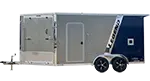
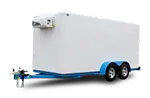
Enclosed trailers from brands like Wells Cargo, Darkhorse Cargo, United, and Legend are particularly worth protecting because the potential loss can be high. Owners commonly use them for tools, ATVs, motorcycles, business inventory, furniture, and personal property. Depending on the model and construction method, an enclosed trailer may have concealed spaces behind interior wall or ceiling panels where rodents can nest and damage wiring before the problem becomes visible.
A few specific tips for enclosed trailers:
- Don’t store food or pet food inside. Remove birdseed, livestock feed, grass seed, snacks, trash, scented animal products, and residue from spilled drinks or food. If an item must remain, place it in a rigid, rodent-resistant container with a secure lid rather than relying on a paper or plastic bag.
- Elevate cardboard off the floor. Cardboard and paper provide nesting material and can hide droppings or gnaw marks. When boxes must remain, use shelving that permits inspection underneath and leave a visible gap around the perimeter rather than packing cargo tightly against the walls.
- Leave the interior as bare as possible. Moving blankets, upholstery, tarps, paper products, fabric seat covers, and loose insulation make a trailer more attractive as a nesting site. Remove unnecessary soft goods, clean away plant debris and soil, and organize remaining cargo so wall edges and corners can be inspected.
- Check the V-nose cavity. Some V-nose trailers have accessible space behind front interior panels or trim. Inspect only through manufacturer-provided access points or removable service panels. Do not drill exploratory holes into the front wall, where wiring, structural members, or exterior skin may be damaged.
Ventilation and moisture control matter as well. Repair roof leaks and failed door seals before storage, but do not obstruct intentional ventilation. Condensation can damage cargo and promote corrosion even when pests are absent. Store the trailer on a firm, well-drained surface, keep vegetation cut back, and avoid placing bags of feed, trash containers, or wood piles beside it.
Open Trailers Aren’t Off the Hook
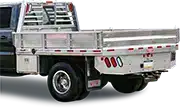
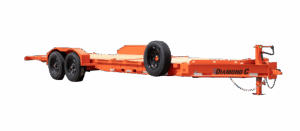
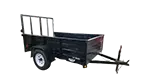
Flatbeds, utility trailers, and landscape trailers do not provide a fully enclosed room, but protected components can still attract nesting. On Diamond C flatbeds and H&H utility trailers, as with other brands, inspect toolboxes, battery compartments, winch housings, spare-tire areas, light cavities, ramps, spring hangers, and wiring junctions. Frame construction differs by model: some members are open channel or fabricated I-beam, while others may be rectangular tubing. Do not assume every opening is an accidental gap.
Before installing any plug, determine whether the opening is a structural tube end or a designed drain, weep hole, vent, access point, or wiring route. Blocking an intentional opening can trap water and accelerate internal corrosion. Where the manufacturer permits closure, use a correctly sized, weather-resistant cap that can be removed for inspection and that will not retain moisture. There is no universal frame-tube dimension or plug size for utility trailers, so measure the actual component and consult the trailer manufacturer or dealer when the purpose of an opening is unclear.
Quick Reference: Pest Prevention Before Storage
| Step | What to Do | Cost Range |
|---|---|---|
| Seal wire grommets | Replace cracked grommets and seal unintended gaps with compatible exterior materials | About $5–$40 in common materials |
| Protect approved openings | Use corrosion-resistant mesh or removable caps only where drainage and ventilation will not be blocked | About $10–$50 |
| Protect wiring harness | Add suitable split loom, conduit, clips, or deterrent tape to accessible, undamaged runs | About $15–$75 |
| Set snap traps inside | Place an appropriate number along travel edges and inspect them regularly | About $8–$30 |
| Remove food/soft goods | Remove attractants and unnecessary nesting materials, then clean spilled residue | $0 unless storage containers are needed |
| Check door seals | Correct door alignment and replace torn, loose, or permanently compressed weatherstripping | About $20–$150, depending on the door and seal |
These are general retail estimates rather than fixed repair prices. Trailer size, seal profile, construction, product quality, and labor can change the total substantially. Use materials compatible with the trailer and follow the component manufacturer’s installation instructions.
If You Find Evidence of Mice
Finding droppings or a nest does not mean the trailer is ruined, but cleanup should come before a close electrical inspection. Open doors and vents and allow the enclosed trailer to air out before entering. Wear rubber or plastic gloves. Do not sweep or vacuum dry droppings, urine, or nesting material because that can put contaminated particles into the air. Thoroughly wet the material with an EPA-registered disinfectant used according to its label, allow the specified contact time, wipe it up with paper towels, and dispose of the waste safely. Heavy infestations may require additional protective equipment or professional cleanup.
After the contaminated material has been removed, inspect the wiring from the 7-way plug and junction box to the lights, breakaway system, battery, and brake circuits. Look for missing insulation, tooth marks, exposed copper, corrosion, loose terminals, damaged loom, and repairs made with household wire connectors. Pay special attention to the short brake-magnet leads near each brake backing plate because they operate in an exposed environment close to the axle and road surface.
On a Liberty or Delco trailer equipped with tandem electric-brake axles, wiring normally branches to the brake assemblies installed on the braked wheels. The trailer’s VIN label, certification label, axle tags, and build documentation—not a brand-wide assumption—determine its actual GVWR and axle configuration. A compromised conductor can produce a brake-controller warning, unequal braking, intermittent operation, or no obvious warning at all.
Do not rely solely on a visual inspection or a brief pull around the lot. Connect the trailer to a compatible tow vehicle, confirm normal brake-controller communication, test the breakaway system according to the manufacturer’s instructions, and verify brake operation before carrying cargo. Diagnosis may involve checking battery condition, voltage, resistance, current draw, connectors, grounds, and individual brake circuits. Because unsafe lifting, a short circuit, or an incorrect splice can create additional hazards, have a qualified trailer technician perform the work if you are not equipped to test and repair electric brakes correctly.
Indiana law requires a trailer or semitrailer with a gross weight of at least 3,000 pounds, when operated on a highway, to have brakes adequate to control, stop, and hold the vehicle. Those brakes must be controllable from the towing vehicle’s cab and arranged to apply automatically if the trailer accidentally separates. That makes a functioning breakaway battery, switch, cable, brake circuit, and correctly adjusted braking system essential after any suspected rodent damage.
If you’ve got questions about whether your trailer’s wiring damage is a simple fix or something that needs professional attention, reach out to us at Spencer Trailers. We’re at 291 West State Hwy 46 in Spencer, Indiana, and can inspect the affected components. If storage damage has you considering a newer enclosed trailer, browse current inventory here. A newer trailer still requires routine pest inspection, but sound doors, intact seals, correctly fitted grommets, and well-routed wiring provide a better starting point than neglected or extensively damaged components.
Either way, the best time to handle pest prevention is before you park the trailer, followed by periodic checks throughout storage—not after you have spent a weekend tracing an intermittent wiring fault in March.


