


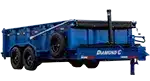

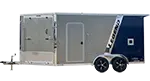
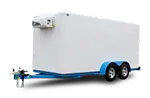
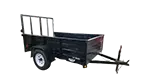
Utility Trailers
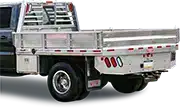
For ATVs, mowers, property work and lighter equipment. Compare single versus tandem axles, usable payload and gate style.
View utility inventory →


Recognized for excellence in service, performance, and customer satisfaction.
View Our Awards →
A practical guide to choosing the correct Diamond C trailer for your equipment, payload, tow vehicle and work—built for Indiana buyers and serious haulers nationwide.
Use the guide to narrow the right trailer family, then choose the buying path that fits where you are in the process.
The best trailer is not automatically the largest or most expensive model. Start with the load, loading method, required payload and tow vehicle. Then compare the Diamond C families designed for that use.
For ATVs, mowers, property work and lighter equipment. Compare single versus tandem axles, usable payload and gate style.
View utility inventory →Designed around vehicle loading, deck clearance and securement. Confirm vehicle weight, track width and approach angle.
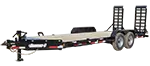
View car haulers →Low-profile and deck-over choices for tractors, skid steers and construction equipment, with ramp and GVWR options.
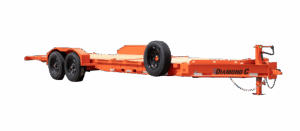
View equipment trailers →Gravity, hydraulic and power-tilt loading choices. Ground clearance and breakover angle matter as much as deck length.
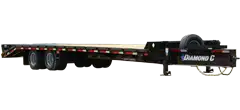
View tilt trailers →Single-wheel, super-single, dual-wheel and multi-axle configurations for demanding equipment and commercial hauling.
View goosenecks →From property maintenance through heavy commercial work. Compare body design, hoist, side height, payload and loading needs.
View dump trailers →GVWR is the maximum allowable loaded trailer weight—not the amount of cargo the trailer can carry. Actual payload is determined after accounting for the trailer’s empty weight and every option installed.
Include the machine, attachments, fuel, tools and anything else carried.
Compare the finished trailer’s empty weight with its GVWR.
Axles, tires, coupler, hitch and tow vehicle must all be suitable.
Confirm tie-down locations and correct load placement before purchase.
Model names and capacity ranges will be checked against Diamond C’s official 2026 trailer lineup before publication. Final specifications vary by model, length, axle package and installed options.
These choices change how easily you can load, how much deck width you have and how the trailer works with your tow vehicle. There is no universal winner—the right layout is the one that removes problems from your normal workday.
| Configuration | Usually best when | Important tradeoff to check |
|---|---|---|
| Low-profile equipment LPX / LPX-GN | You want a lower deck between the fenders and traditional ramp loading. | Usable width between fenders, ramp angle and whether wider frame extensions are needed. |
| Low-profile tilt HDT / HDT-GN | You load frequently and want to eliminate lifting and storing ramps. | Equipment ground clearance, breakover angle and stationary-deck length. |
| 102-inch deck-over GDD / DEC / DET | You need full deck width, side-loading access or room for wider equipment. | The higher deck affects loading angle and center of gravity. |
| Extra-wide tilt HXD / HXD-GN | You need a full-width 102-inch tilt deck for wide machinery. | Confirm the machine’s measurements, weight distribution and loading geometry. |
| FMAX gooseneck | You need longer decks, heavier configurations or frequent commercial use. | The truck must have the correct bed hitch, ratings and available payload. |
| Dump GST through WDT | You haul bulk material and may also need equipment-loading versatility. | Material density, body volume, hoist choice, side height and actual payload. |
Current model families and published GVWR configurations were checked against Diamond C’s official trailer lineup. Specifications and availability can change; verify the exact VIN/build sheet before purchase.
Strong buying decisions come from looking at frame design, loading system, running gear, securement and serviceability together. These are the details we help customers compare on an actual trailer.
Diamond C uses its Engineered Beam Technology on selected heavy-duty equipment and gooseneck models. The beam profile places material where the design calls for it, aiming for a better strength-to-weight relationship than a conventional uniform beam. Ask which exact model and frame package includes it.
Ramps remain simple and versatile; hydraulic-dampened tilt beds reduce lifting and setup. The correct choice depends on machine clearance, track length, rear overhang and how many times you load each day.
Axle capacity alone does not define trailer capacity. Compare the complete package: frame, suspension, tires, wheels, brakes, coupler and GVWR. Heavy-use buyers should also discuss available tire and electric-over-hydraulic disc-brake options.
Wood and steel surfaces have different traction, weight, maintenance and replacement considerations. Confirm stake pockets, D-rings or other tie-down points match the machines and cargo you actually carry.
Tool storage, spare-tire location, jacks, ramp storage and access around the tongue can save time on every job. Options should solve a repeated need—not simply make the order longer.
Diamond C uses a multi-step powder-coat process. Even with a durable finish, chips should be touched up and road salt, mud and fertilizer should be removed promptly—especially through an Indiana winter.
A few real measurements let us narrow the lineup faster and prevent paying for the wrong configuration.
Send us your machine model and tow-vehicle information. Spencer Trailers can compare suitable in-stock trailers and ordering options.
A tall dump body may hold more volume, but dense materials such as stone, dirt and wet debris can reach the trailer’s weight limit long before the body is full. Estimate the heaviest material first, then choose the body and running gear.
Useful for property, landscaping and lighter commercial work. Official current configurations span 6,000 to 9,890 lb GVWR across these three models.
Compare low-profile versus deck-over bodies, bumper-pull versus gooseneck, side height, tarp and equipment-ramp needs.
Built for the high end of Diamond C’s current dump range. Truck, licensing and operating requirements deserve careful review before ordering.
Diamond C’s current dump lineup is published from 6,000 through 30,000 lb GVWR. Payload is less than GVWR because trailer weight and installed options must be deducted. Never estimate allowable cargo from body volume alone.
Spencer Trailers has served trailer buyers since 2002. Our Spencer, Indiana location helps contractors, farmers, property owners and professional haulers compare real inventory, understand options and choose a trailer around the job—not just a model name.
Local buyers can inspect loading systems, deck height, storage and tie-down details in person. Out-of-area buyers can call with equipment measurements and tow-vehicle information so our team can help narrow the right build before the trip.
Start by browsing current Diamond C inventory, then contact our team to confirm specifications, availability and pricing.
GVWR is the maximum permitted loaded weight of the trailer. Payload is the cargo capacity remaining after subtracting the trailer’s actual empty weight, including installed options. Hitch and tow-vehicle limits still apply.
Ramps work well for varied loading and can offer a familiar, mechanical setup. Tilt beds reduce ramp handling and can speed frequent loading. Low-clearance machines need special attention to approach and breakover angles before choosing either design.
A deck-over is useful when you need the full 102-inch deck width, want to side-load pallets or carry equipment wider than the space between fenders. The tradeoff is a higher deck, so loading angle and center of gravity need review.
No. Body volume and weight capacity are different. Light material may fill the body before reaching payload, while dense stone or soil may reach payload with substantial empty space remaining.
Diamond C identifies Warranty 2.0 for 2026-and-later models and separate coverage for pre-2026 trailers. Coverage and claim approval depend on the trailer, component, date and warranty terms. Confirm the current written warranty for the specific trailer with Spencer Trailers before purchase.
Yes. We serve Indiana buyers and customers from across the country. Call with the machine, load and tow-vehicle details so we can verify an in-stock trailer or discuss ordering options.
Manufacturer facts were reviewed against Diamond C’s official trailer lineup, 2026 buyer guides and warranty page. This Spencer Trailers guide is original dealer education and is not a substitute for the owner’s manual, VIN-specific build sheet, tow-vehicle documentation or applicable laws.
Browse current inventory, build a Diamond C from the model up, request pricing or ask for a nationwide shipping quote.
Please enter your contact information and one of our representatives will get back to you with more infomation.
Send us your information and we’ll contact you about this trailer.