


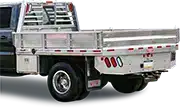
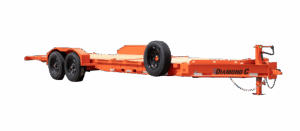






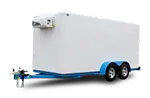


You check the inventory page Monday morning. There is a lightly used 18-foot equipment trailer with a clean deck, straight frame, good tires, and an asking price meaningfully below the cost of a similarly equipped new unit. You save the listing so you can think about it. By Wednesday, it is gone.
That is not unusual at Spencer Trailers. Desirable used and consignment trailers can turn over quickly because every one is a one-of-one opportunity. There may be dozens of ways to order a new trailer, but there is only one used unit with that particular year, condition, axle package, deck, ramp system, hitch, color, service history, and price. Understanding that difference helps you recognize a strong value and act before another prepared buyer does.
The Simple Math Behind the Value
New trailers do not automatically sell at full MSRP, and two trailers with the same length can have very different prices. The current price of a new unit reflects its exact model, GVWR package, axle and suspension configuration, hitch, flooring, ramps, tires, brakes, optional equipment, freight, setup, warranty coverage, and current manufacturer pricing. A proper used-versus-new comparison must match those specifications as closely as possible.
Consider a Diamond C LPX equipment trailer. The current LPX lineup includes bumper-pull equipment trailers in roughly the 14,900- or 15,500-pound range through 24,000-pound configurations, depending on the selected package and the certification label on the individual trailer. Current production LPX trailers use Lippert axles as standard, with axle quantity and rating varying by package. A 20- or 22-foot LPX cannot accurately be described as simply a “14K trailer” without checking its VIN label and build specifications. :contentReference[oaicite:0]{index=0}
When a well-maintained unit returns to the lot after one or two seasons of light use, the first owner has already absorbed some of the initial depreciation. The second buyer may get a trailer with much of its practical service life remaining while paying less than the current replacement cost. That does not mean every two-year-old trailer is equivalent to a new one. Model-year changes, warranty status, tire age, corrosion, repairs, overloading, storage conditions, and maintenance history still matter.
“Lightly used” is usually more accurate than “low-hour” because most utility, equipment, flatbed, and cargo trailers do not have an odometer or hour meter. A dump or tilt trailer may have a hydraulic power unit, but its appearance alone does not reveal how many lifting cycles it has completed or whether it was routinely overloaded. The useful evidence comes from the trailer’s physical condition, service records, tire dates, hydraulic performance, brake condition, frame alignment, and the type of work it performed.
An enclosed trailer that moved household goods several times has normally experienced a different duty cycle from a contractor’s trailer that carried tools five days a week. The floor wear is different. Door and ramp cycles are different. Tire exposure is different. The coupler, hinges, brakes, and suspension may have seen far less use. That is why a clean, lightly used enclosed trailer can occupy a value category of its own.
Experienced buyers look beyond fresh paint and polished wheels. They compare the VIN certification label, GVWR, empty weight, estimated payload, axle tags, tire load range, brake configuration, hitch rating, deck condition, ramp design, welds, suspension, and evidence of previous repairs. For example, a current H&H 82-by-20-foot steel gravity-tilt trailer may be configured at 14,000 pounds GVWR with two 7,000-pound axles. A properly maintained used example can be attractive, but only after its exact condition and equipment are compared with a current new build. :contentReference[oaicite:1]{index=1}
What “Like-New” Actually Means at a Dealer Lot
“Like-new” is a condition description, not a universal mechanical grade or factory certification. It should mean more than recently washed paint and good listing photos. The useful question is what was inspected, what was serviced, what was replaced, and what defects or cosmetic wear remain.
Spencer Trailers evaluates used and consignment units individually. The scope of service or reconditioning can vary with the trailer, so buyers should ask about the specific stock number rather than assuming every used unit received the same work. A meaningful condition review should cover the following areas:
- Frame and welds: Inspecting the tongue, main rails, cross-members, suspension mounting points, coupler structure, dovetail, ramp supports, and high-stress junctions for cracks, buckling, separation, severe corrosion, impact damage, or non-factory repairs. Surface scratches are not the same as structural damage, but bent members or cracked welds deserve professional evaluation.
- Coupler, hitch, and safety equipment: Confirming the coupler type, ball or pintle size, latch operation, coupler rating, mounting hardware, safety-chain rating, hooks, retaining latches, breakaway cable, and breakaway battery. A trailer should never be matched to a tow vehicle based only on whether the hitch appears to connect.
- Axles, suspension, hubs, and bearings: Reading axle tags where available, checking bearing play, seals, lubrication condition, spring or torsion components, equalizers, shackles, hangers, U-bolts, and signs of abnormal tire wear. Axle ratings help identify the build, but the sum of the axle ratings does not by itself establish the trailer’s legal GVWR.
- Brakes and breakaway system: Checking electric brake response, magnets, wiring, grounds, connectors, drum condition, adjustment, and breakaway operation. On trailers with hydraulic surge or electric-over-hydraulic systems, the inspection should also address fluid leaks, actuator condition, hydraulic lines, pump operation, and compatibility with the tow vehicle’s brake controller.
- Tires and wheels: Checking tire size, load range, inflation requirements, tread, cuts, bulges, weather cracking, uneven wear, DOT date codes, wheel damage, stud condition, lug nuts, and the spare. A tire can have deep tread and still be unsuitable because of age, underinflation, overloading, impact damage, or poor storage.
- Lights and electrical equipment: Testing stop, turn, tail, clearance, marker, license-plate, reverse, and work lights as equipped, along with the four-way or seven-way connector. Dump and tilt trailers also require attention to the battery, charger, wiring protection, switches, remote controls, hydraulic pump, and electrical grounds.
- Deck, floor, body, doors, and ramps: Looking for rotten or split lumber, loose fasteners, punctured cargo flooring, bent steel, cracked aluminum, damaged door frames, worn hinges, weak latches, and ramp deformation. On Diamond C trailers equipped with MAX Ramps or an X-Ramp system, the springs, hinges, locks, pins, support surfaces, and frame extensions should operate correctly.
- Hydraulic system: On dump and tilt trailers, checking the cylinder, hoses, fittings, reservoir, pump, battery, charger, mounting points, hinges, safety support, and hoist operation under appropriate conditions. A bed that rises empty is not proof that the system will perform correctly at rated working loads.
- Coating and corrosion: Distinguishing normal chips and cosmetic wear from corrosion that has reached structural components. Diamond C uses its multi-stage DM Difference Maker coating system, but any used powder-coated trailer can develop chips where chains, equipment, gravel, or road debris have broken the finish. Those areas should be cleaned and touched up before corrosion spreads.
- VIN, title, GVWR, and payload: Confirming that the VIN on the trailer matches the title and sales paperwork, that the certification label is readable, and that the advertised specifications agree with the actual unit. Payload is not the axle rating and is not simply a seller’s estimate. It is determined from the trailer’s rated GVWR minus its actual or stated empty weight, with installed options and cargo affecting the available capacity.
A trailer that performs well in those areas may reasonably be described as like-new or exceptionally clean. A unit with older tires, worn brakes, damaged flooring, or cosmetic flaws can still be a good purchase, but those items should be disclosed and reflected in the price.
Buyers should also distinguish inspection from warranty. A dealer can inspect a used trailer and accurately describe its condition without guaranteeing that every component will remain trouble-free. The written buyer’s order, warranty disclosure, listing details, and any promised repairs control the transaction—not a general adjective in an advertisement.
Why Demand Is High and Inventory Moves Fast
Spencer, Indiana is in Owen County and serves a broad mix of farmers, contractors, landscapers, property owners, equipment operators, small businesses, and recreational buyers. State Road 46 also connects Spencer with Bloomington and surrounding communities, giving the dealership both a local and regional customer base. Spencer Trailers is located at 291 West State Highway 46 and publishes current inventory for buyers who want to confirm a unit before driving to the lot. :contentReference[oaicite:2]{index=2}
Used-trailer buyers are often further along in the decision process than casual new-trailer shoppers. They may already know the required deck width, payload, hitch style, ramp design, door height, axle package, and budget. When a used unit matches that list, they do not need several weeks to decide which basic category they want.
An attractively priced 8.5-by-24-foot enclosed cargo trailer can draw attention from contractors, movers, motorsports buyers, mobile businesses, and property owners at the same time. A clean 20-foot equipment trailer may fit compact excavators, skid steers, tractors, vehicles, or general construction equipment, provided the machine weight, attachment weight, trailer payload, loading geometry, and tow vehicle are compatible. The same trailer can solve problems for several different types of buyers.
Spencer’s broader inventory has included Diamond C, H&H, Liberty, Delco, Darkhorse Cargo, Legend, United, Wells Cargo, and other manufacturers, while the used section changes as individual units are purchased or traded. Current listings also demonstrate why model names alone are not enough: trailers with similar lengths may have different axle ratings, GVWRs, hitch types, floors, ramp systems, and prices. :contentReference[oaicite:3]{index=3}
Consignment inventory adds another variable. When documentation is available, a consignment seller may be able to explain where the trailer was stored, what it hauled, why it is being sold, and which components were replaced. That history is useful, but it should still be verified against the physical trailer, title, VIN label, maintenance records, and written sales terms.
A dealer transaction can also simplify communication, paperwork, financing inquiries, and condition questions compared with meeting an unknown private seller. That does not eliminate the buyer’s responsibility to inspect the trailer, confirm the title, review the agreement, and verify that the trailer fits the intended tow vehicle and load.
How Used Prices Compare to New
There is no honest fixed percentage that every used trailer should cost below new. A lightly used current-model trailer with expensive options may remain close to new pricing, while an older basic trailer may be substantially less. The correct comparison is the used asking price against the current replacement cost of the closest available configuration—not against the least expensive trailer with the same nominal length.
Here is a more useful way to think about common categories and the range of ratings buyers may encounter:
| Category | Common Current GVWR Range | Why Used Can Save Money |
|---|---|---|
| Utility / landscape trailers | About 2,990 to 9,890 lb in common single- and tandem-axle builds, with heavier specialty configurations available | Light-use floors, gates, rails, and axles may retain substantial service life while the first owner absorbs initial depreciation |
| Equipment / flatbed trailers | About 7,000 to 40,000 lb across bumper-pull, deck-over, pintle, and gooseneck designs | Durable frames and replaceable wear components can make a properly maintained used unit valuable, especially when ramps and options match the buyer’s work |
| Enclosed cargo trailers | About 2,990 to 14,000 lb or more, depending on size, axle package, construction, and intended use | Low-use interiors can remain clean and functional; buyers may also benefit from shelving, flooring, electrical work, or other useful equipment already installed |
| Dump trailers | About 6,000 to 30,000 lb across current Diamond C single-axle, tandem-axle, deck-over, and heavy gooseneck dump designs | A sound body, telescopic hoist, pump, battery, hinges, brakes, and axles can provide strong value, but neglected hydraulic or structural components can erase the savings |
Those ranges are not price guarantees and are not substitutes for the certification label on the individual trailer. Current Diamond C equipment, flatbed, and dump families cover a much wider range than the older assumption that equipment trailers stop near 25,900 pounds or dump trailers stop at 14,000 pounds. LPX equipment trailers currently extend to 24,000 pounds, FMAX gooseneck flatbeds extend through 40,000-pound configurations, and Diamond C dump models range from the 6,000-pound GST through heavy WDT configurations up to 30,000 pounds. :contentReference[oaicite:4]{index=4}
The amount a used trailer saves depends on age, condition, configuration, local demand, title status, tire age, necessary repairs, warranty status, and the cost of finding the same options on a new build. A trailer priced $1,500 below a comparable new unit may not be a bargain if it immediately needs tires, brakes, flooring, a battery, and hydraulic work. Another trailer with a smaller apparent discount may be the better value if it is ready to work.
Options deserve special attention. Drive-over fenders, heavy-duty ramps, a hydraulic dovetail, upgraded tires, a spare, winch preparation, toolboxes, extra D-rings, an electric tarp, wireless hydraulic controls, or specialized doors can add substantial replacement cost. Those features have value only when they match the buyer’s intended use and remain in good operating condition.
The pattern still holds: first-owner depreciation can create a real opportunity for the next buyer. The opportunity comes from the combination of price, condition, useful equipment, and remaining service life—not merely from the word “used.”
What Buyers Should Actually Check Before Buying Used
Even when a dealer has inspected or serviced a trailer, buyers should perform their own walk-around and ask direct questions. A careful check takes longer than looking at listing photos, but it can prevent an expensive mismatch.
Coupler fit and rating: Confirm the required ball diameter, pintle size, gooseneck ball, or fifth-wheel connection before arriving. Verify that the coupler rating is appropriate for the trailer, the latch closes and locks correctly, the mounting structure is sound, and the tow vehicle’s receiver, ball mount, hitch ball, and safety equipment are rated for the loaded trailer. Some movement inside a ball coupler is normal; obvious wear, incomplete engagement, deformation, or a mismatched ball is not.
Tire date codes and load capacity: The final four digits of the DOT Tire Identification Number identify the week and year of manufacture. For example, 1823 indicates the eighteenth week of 2023. Age is only one part of the decision. Inspect for weather cracking, bulges, repairs, uneven wear, improper size, insufficient load range, low pressure, and damage from curb impacts or overloading. NHTSA notes that some vehicle and tire manufacturers recommend replacement at six to ten years regardless of tread, so use the tire manufacturer’s guidance and replace damaged or questionable tires sooner. :contentReference[oaicite:5]{index=5}
Frame alignment: Sight along the rails and inspect tire positioning, fender clearance, coupler alignment, spring hangers, cross-members, and deck edges. Uneven tire wear, shifted axles, mismatched wheel position, buckled flanges, or repaired cracks can indicate previous impact or overloading. A visual check can identify concerns, but precise frame squareness requires measurements and sometimes professional equipment.
Brakes and breakaway system: Connect a compatible seven-way plug, confirm the controller recognizes the trailer, and apply the manual brake control at low speed in a safe area when permitted. A healthy system should produce a noticeable, even braking response. Weak or absent braking does not automatically prove that the magnets are defective; the cause may be controller settings, adjustment, corrosion, wiring, grounds, connectors, drums, hydraulic components, or the tow vehicle itself.
Indiana requires a trailer or semitrailer with a gross weight of at least 3,000 pounds, when operated on a highway, to have brakes adequate to control, stop, and hold it. The brakes must be controllable from the tow vehicle’s cab and designed to apply automatically during a breakaway. That makes the breakaway switch, cable, battery, and brake circuit safety equipment—not optional accessories to ignore during a used-trailer inspection. :contentReference[oaicite:6]{index=6}
Deck and body attachment: On wood decks, check every board rather than only the center. Probe suspicious areas around fasteners, dovetails, edges, and places where equipment commonly sits. A soft or broken board requires replacement, but it does not automatically mean the steel cross-members are damaged. Inspect underneath to determine whether the problem is limited to lumber or includes corrosion, bent supports, or broken attachments. On steel and aluminum floors, check welds, seams, fasteners, deformation, cracking, corrosion, and repairs.
Hydraulics: Cycle a dump bed, tilt deck, or hydraulic dovetail through its normal range while listening for pump strain and watching for leaks, jerky motion, damaged hoses, weak batteries, loose cylinder pins, worn hinges, or electrical problems. Never crawl beneath a raised bed unless the manufacturer-approved mechanical safety support is correctly engaged.
VIN, title, and advertised specifications: Match the VIN in at least three places when available: the trailer label, frame stamping, and title or ownership document. Confirm the model year, GVWR, axle information, empty weight, payload listing, length, width, and hitch type. A replacement axle with a higher rating does not automatically increase the trailer’s certified GVWR, and a seller cannot legally create additional capacity simply by installing heavier tires.
Tow-vehicle and license compatibility: Check the truck manufacturer’s towing capacity, payload, rear-axle rating, receiver rating, GCWR, tire capacity, brake-controller compatibility, and hitch limits. Do not use the trailer’s unloaded weight as the expected towing weight if it will routinely carry equipment.
A trailer over 10,000 pounds GVWR does not, by itself, automatically create a federal Class A CDL requirement. For applicable commercial combinations, FMCSA guidance generally requires the combination to reach 26,001 pounds or more as well as include a towed unit over 10,000 pounds, with other commercial-use rules, hazardous-material requirements, passenger rules, and exemptions potentially affecting the result. Buyers should verify their exact operation rather than relying on a trailer salesperson’s rule of thumb. :contentReference[oaicite:7]{index=7}
This is not meant to discourage anyone from buying used. Most clean, properly represented trailers will pass a basic inspection without revealing a serious problem. The purpose is to separate a genuinely strong value from a trailer that merely photographs well.
Why Checking the Inventory Often Pays Off
Spencer Trailers’ used and consignment inventory changes because it depends on what local and regional owners trade, sell, or consign. There is no fixed production schedule for used trailers. A clean 7-by-16-foot Darkhorse cargo trailer, 8.5-by-20-foot United enclosed trailer, 20-foot equipment trailer, or late-model dump trailer may appear without another identical unit behind it.
The buyers who find the strongest matches are usually the ones who check the full inventory regularly and compare stock numbers rather than model names alone. A weekly inventory check is reasonable when you have a defined need. Record the GVWR, payload, empty weight, deck dimensions, hitch, ramps, axle package, tire information, options, asking price, and known service work so you can compare listings accurately.
When a listing looks promising, confirm availability before making a long drive. Online inventory systems can change quickly, and a trailer may receive a deposit or sell before every page, search result, or third-party listing updates. Calling with the stock number is more useful than asking whether Spencer has “a 20-foot trailer,” because several 20-foot units may have completely different capacities and loading systems.
Consignment units may have less pricing flexibility than dealer-owned inventory because the asking price and acceptable terms depend on the agreement with the owner. There is also only one of each used unit. A new trailer can sometimes be reordered or configured again, subject to manufacturer availability and production time. A used trailer with a particular combination of condition, options, age, and price cannot be duplicated on demand.
That scarcity is the main reason waiting can cost a buyer the opportunity. It is reasonable to inspect the trailer, confirm financing, and verify towing compatibility. It is less useful to postpone a decision for several days after all of those questions have already been answered.
A Few Questions Buyers Ask About Used Trailers
Can I get financing on a used trailer? Spencer Trailers advertises financing availability, and used inventory pages may include an option to apply. Approval, down payment, rate, term, minimum financed amount, trailer age, title status, and eligible unit type depend on the lender and applicant. Ask about the specific stock number before assuming that every used or consignment trailer qualifies under the same program. :contentReference[oaicite:8]{index=8}
Do consignment trailers come with any kind of warranty? Warranty terms vary. Many used or consignment trailers are sold as-is under the written sales agreement, but buyers should not assume that phrase applies until they read the documents. A late-model trailer may have some remaining structural or manufacturer coverage, while individual component warranties may be limited to the original purchaser or governed by separate terms. Diamond C’s coverage also differs between pre-2026 trailers and 2026-and-later Warranty 2.0 models. Ask Spencer to verify the VIN-specific status and obtain any warranty representation in writing. :contentReference[oaicite:9]{index=9}
Is it worth buying used over new if I am going to use it hard? It depends on the trailer’s condition, remaining life, price difference, downtime risk, and how closely it matches the work. A contractor who relies on a trailer five days a week may place more value on new-unit warranty coverage, current components, and the ability to order an exact configuration. A buyer who finds a properly rated, well-maintained used trailer at a meaningful discount may prefer to put the savings toward tires, maintenance, securement equipment, or other business needs.
Does a higher axle rating automatically mean more legal payload? No. The trailer’s VIN certification label establishes its GVWR. Available payload is based on that GVWR minus the trailer’s actual or stated empty weight. Axles, tires, wheels, coupler, frame, brakes, suspension, and hitch all have ratings, and the usable limit is controlled by the applicable certified rating and the lowest-rated component—not by whichever number is largest.
Should I buy based on model year? Model year matters for warranty, component revisions, resale, and age-related items, but condition and configuration matter just as much. A carefully stored and maintained older trailer may be a better purchase than a newer unit that was overloaded, stored in standing water, operated with underinflated tires, or repaired poorly.
What paperwork should I receive? Review the title or ownership document, VIN, buyer’s order, odometer disclosure only if legally applicable to the type of vehicle, warranty or as-is disclosure, financing agreement if used, and any promised repair or accessory installation. Make sure the model, year, VIN, price, trade allowance, fees, and taxes are correct before signing.
What to Do When You Find the Right Unit
Do not confuse acting promptly with buying blindly. When a used Diamond C, H&H, Liberty, or another reputable trailer appears to fit your work, verify the important details immediately: VIN, title, GVWR, empty weight, payload, dimensions, hitch, ramps, tires, brakes, condition, warranty status, total purchase price, and compatibility with your truck.
If those checks are satisfactory, unnecessary delay can cost you the trailer. Used inventory at an active dealership does not wait for every interested buyer to finish comparing hypothetical future listings. Another customer may already know the exact specifications needed and be ready to leave a deposit.
Call (812) 829-0226 and ask about the specific unit by stock number. The team at 291 West State Hwy 46 in Spencer can confirm whether it is still available, explain the listed equipment, discuss known condition details, identify any completed service work, and provide the current price before you make the drive. :contentReference[oaicite:10]{index=10}
Or send a message through the contact page if calling is not convenient. Include the stock number, intended cargo or machine, approximate loaded weight, tow vehicle, preferred hitch, and any financing or trade questions. That information gives the team a better chance to identify a mismatch before you arrive.
Browse what is available now and continue checking when the current selection does not fit. The inventory updates as new units come in. The right used trailer is not simply the cheapest listing. It is the unit that safely handles the load, works with the tow vehicle, has a condition and history you understand, and offers a meaningful advantage over buying new.
When that combination appears, it often appeals to more than one buyer. The trick is being prepared enough to recognize it—and ready to move once the important questions have been answered.


