



You bought a utility trailer with stake pockets and left them empty for a year. Then one load of brush shifted toward the road, a stack of mulch bags moved during a turn, or loose debris started lifting in the wind, and you finally started looking at stake sides. Here is the thing: the material and construction you choose matter more than most buyers expect. Wood, solid steel, and steel mesh each handle impact, moisture, wind, abrasion, and repeated loading differently. Stake sides can help contain cargo, but they do not replace properly rated straps, chains, chocks, blocking, or a secured cargo net or tarp. Getting the design wrong can mean rebuilding the sides, losing payload capacity, or discovering that the setup is unsuitable for the material you actually haul.
What Are Stake Pockets and Why Do They Exist?
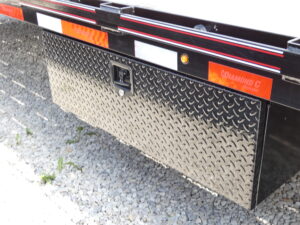
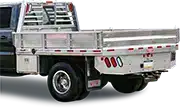
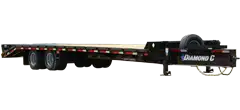
Stake pockets are rectangular receptacles attached to a trailer’s side rails or outer frame. Depending on the trailer, they may accept wood stakes, fabricated steel posts, removable side panels, deck extensions, or other model-specific accessories. Some also have holes for retaining pins. Pocket dimensions, spacing, material thickness, and intended use are not universal, so a side system should be measured and matched to the actual trailer rather than built from assumptions. Many flatbed, equipment, and utility trailers include stake pockets, but others use permanently welded rails or solid sides instead. The current Diamond C GTU tandem-axle utility trailer, for example, uses 13-inch-tall open sides, integrated upright tie-downs, stake pockets, and an available expanded-metal side option. H&H currently offers separate utility-trailer configurations with rail sides, solid steel sides, wood sides, and aluminum construction, so the correct solution depends on the specific model and year.
The pockets themselves do not establish a new payload rating, and a homemade side assembly is not automatically rated to restrain a heavy shifting load. The trailer must remain within its GVWR, axle ratings, tire capacities, coupler rating, and tow-vehicle limits after the weight of the side system and cargo is added. Do not assume every stake pocket is a rated cargo anchor. Use the manufacturer-designated tie-down points and properly rated securement equipment. Indiana drivers are responsible for preventing cargo from dripping, sifting, leaking, falling, or otherwise escaping onto the roadway, and commercial operators may also be subject to federal cargo-securement requirements. Sides can help contain a load, but the cargo must still be independently secured or covered as appropriate.
Wood Stake Sides: The Classic Choice
Dimensional lumber has been used with trailer stake pockets for decades, and it remains a practical option for light-duty or occasional work. A proper wood system normally consists of vertical wood or steel stakes fitted to the pockets, horizontal side boards fastened to those stakes, secure corner connections, and a positive method of keeping each post from bouncing out. Simply standing loose boards in the pockets is not a dependable side system. Here is when a correctly built wood setup makes sense.
Pros of Wood
- Lower initial material cost. An owner-built wood system is usually less expensive than a professionally fabricated steel assembly, although the total depends on lumber grade, treatment, hardware, post material, trailer length, and local prices. Include the cost of suitable stakes, corrosion-resistant bolts, corner hardware, sealant, and retention pins rather than pricing the boards alone.
- Easy field repairs. A split or badly gouged board can usually be replaced with ordinary woodworking tools. Damaged sections can be removed individually instead of replacing an entire welded panel. Keep the board dimensions and bolt-hole pattern consistent so replacement pieces can be cut quickly.
- More forgiving cargo contact. Wood is less likely than an exposed steel edge to scratch painted tools, nursery containers, furniture, or finished equipment. That does not make it a protective liner by itself, but it can be useful when the cargo regularly contacts the sides.
- Adjustable height. A nominal 2×6 is approximately 1.5 inches thick and 5.5 inches wide, so two horizontal boards provide about 11 inches of board height, three provide about 16.5 inches, and four provide about 22 inches before accounting for gaps or framing. Taller sides require longer posts, stronger corner bracing, and careful control of leverage at the stake pockets. Do not keep adding boards to posts that were designed for a shorter wall.
Cons of Wood
- Untreated lumber can absorb moisture, rot, warp, check, and split when it remains outdoors. Pressure-treated lumber lasts longer in wet service but may be considerably heavier when new or waterlogged. Use fasteners compatible with treated wood, seal cut ends, and inspect the areas around bolts because repeated vibration can enlarge the holes.
- A homemade wood wall has no assumed lateral-load rating. Dense material such as gravel, wet soil, broken concrete, or demolition debris can generate substantial pressure during braking or cornering. A utility trailer with wood stake sides should not be treated like a purpose-built dump body, and the boards should never be relied upon to stop unsecured equipment from rolling or sliding.
- Wood posts and boards can loosen as the lumber dries, compresses, or moves under vibration. Each removable post needs positive retention, and the corners should be connected so the front, side, and rear sections support one another. Recheck bolts and pins before every trip and after the first few loaded trips with a new assembly.
Wood is best suited to light, bulky, or irregular cargo such as bagged landscaping supplies, firewood, branches, farm supplies, and occasional household or construction material. Brush, leaves, and light debris still need a secured cargo net or tarp so nothing can blow out. Wood is a poor long-term choice for abrasive aggregate, wet soil, scrap metal, or daily commercial loading unless the system was professionally designed for that service and is inspected regularly.
Steel Stake Sides: Built for Work
Steel sides can refer to several very different products: fixed solid walls, framed removable panels, open rails, sheet-steel extensions, or expanded-metal infill. Their strength depends on the posts, panel frame, welds, sheet thickness, corner connections, pocket fit, and retention system, not simply on the gauge of the visible panel. Current factory designs illustrate the difference. H&H’s solid-side utility models use fixed 15-inch, 12-gauge steel sides, while the current Diamond C GTU uses 13-inch open sides with available expanded-metal infill. Those are integrated trailer configurations, not interchangeable universal stake-side kits. Before ordering steel sides, confirm the exact manufacturer, model, deck length, pocket dimensions, side style, gate clearance, and model year.
Pros of Steel
- High strength when properly engineered. A framed steel assembly with correctly sized posts and reinforced corners can withstand repeated loading better than an improvised board wall. The important factor is the complete assembly and its intended load, not a general claim that any steel panel is stronger than any wood system.
- Consistent fit and alignment. Factory-built or professionally fabricated panels can be made to match the pocket locations, fenders, front rail, ramp gate, and trailer width. Properly fitted panels are less likely to rattle, bind, or leave gaps at the corners.
- Good weather and abrasion resistance. A quality coated steel panel generally tolerates rain, sunlight, road spray, branches, and routine jobsite contact better than exposed lumber. The coating still needs inspection because chips, scraped edges, weld damage, and trapped debris can allow corrosion to start. Diamond C uses its DM Difference Maker multi-stage coating system on current steel trailers, while other manufacturers use their own powder-coat, polymer, or protective finishing processes.
- Positive retention options. A well-designed removable system can use fitted posts, cross-pins, captured hinges, latches, or bolted corner connections. These features can reduce movement and make the panels easier to install consistently. Tie-down points should only be used for cargo securement when the trailer or accessory manufacturer identifies them for that purpose.
Cons of Steel
- Steel assemblies can add substantial empty weight, especially when they use tall posts, heavy perimeter tubing, solid sheet, and reinforced corners. That weight reduces available payload pound for pound. Obtain the finished accessory weight or weigh the trailer after installation rather than relying on a generic estimate.
- Dents, bent posts, cracked welds, and distorted pocket mounts usually require metalworking equipment and a qualified repair. Some damage can be straightened or welded, but repairs should restore the original fit and should not transfer stress into the trailer frame. Structural or frame-mounted repairs may need manufacturer or dealer guidance.
- Factory and custom steel systems generally cost more than basic owner-built wood sides. Pricing changes with steel cost, coating, panel height, number of removable sections, freight, and installation. A low-cost universal kit may require enough cutting and welding that a properly fitted custom system becomes the better value.
Steel sides are a strong choice for contractors, property-maintenance crews, farms, and owners who use the same trailer frequently. They are especially useful when the job calls for repeatable containment, resistance to branches and tools, and a durable system that can be removed or opened in sections. Even substantial steel stake sides do not turn an open utility trailer into a dump trailer. Dense loose material should be hauled in a trailer with a solid, sealed bed, purpose-built walls, an appropriate gate, and a properly secured tarp system.
Wire Mesh Stake Sides: The Underrated Option
Expanded metal and welded wire panels occupy a useful middle ground between open rails and solid walls. Expanded metal is made from slit and stretched sheet, while welded wire uses intersecting wires joined at each crossing. Opening size, strand or wire thickness, frame material, and panel height vary widely. A dependable mesh side normally uses a rigid perimeter frame, intermediate supports where needed, fitted stake posts, reinforced corners, and positive retention. The mesh itself should not be expected to carry the entire load without a supporting frame.
Where Mesh Wins
Visibility is one of the main advantages. You can inspect much of the cargo without removing a solid panel, and rearward visibility may be better than with tall sheet-steel sides. Mesh also allows more airflow than a solid wall, which can reduce wind resistance when the trailer is empty. It does not eliminate aerodynamic drag, and a trailer filled with brush can still behave like a large solid load because the cargo blocks the openings.
Mesh works well for bulky, low-density material such as branches, hedge trimmings, larger yard debris, empty containers, and similar cargo that is too large to pass through the openings. The load should remain below the top of the enclosure and should be covered with a properly fitted cargo net or tarp that is secured to suitable attachment points. Do not use an improvised mesh stake-side system as a livestock enclosure. Animals require a purpose-built livestock trailer with suitable structural containment, ventilation, flooring, partitions, gates, and opening sizes.
A framed mesh panel can weigh less than a comparable solid sheet-steel panel, but the difference cannot be stated as a universal percentage. Heavy perimeter tubing, close-spaced supports, tall posts, and thick expanded metal can make a mesh system surprisingly heavy. Compare the actual finished weights of the available assemblies and subtract that weight from the trailer’s payload capacity.
Where Mesh Falls Short
Fine material passes through the openings. Sand, topsoil, small gravel, mulch fines, sawdust, ash, and small demolition debris can escape through the sides, deck gaps, gate, or front corners. Lining mesh with plywood or a loose tarp may place forces on a frame that was designed only for open mesh. For dense bulk material, choose a purpose-built dump or solid-side trailer rather than trying to convert a utility trailer with liners.
Mesh can snag branches, straps, gloves, and irregular scrap. It can also bend away from its frame, crack around welds, or develop sharp edges after impact. Tall mesh panels experience greater leverage at the posts and often need additional vertical supports and strong corner connections. Inspect the panels for cracked welds, torn strands, loose pins, corrosion, and contact with tires, fenders, lights, or the ramp gate.
Height Comparison: What Actually Matters
| Side Type | Common Heights | Best For | Approx. Weight (16-ft set) |
|---|---|---|---|
| Wood boards (2×6) | 5.5 in per board; total height depends on board count and frame | Light, bulky loads; farm chores; landscaping supplies | Varies widely with board count, species, treatment, moisture, and post material |
| Steel panels (factory or fabricated) | Model-specific; current integrated utility sides commonly begin around 13–15 in | Frequent work, tools, bagged material, and durable cargo containment | Obtain the completed accessory weight; solid reinforced panels can be substantial |
| Wire mesh panels | Model-specific or custom; taller panels require additional framing and bracing | Brush, branches, larger yard debris, and bulky low-density cargo | Depends on frame tubing, mesh type, opening size, panel height, and number of sections |
There is no single best side height for every utility trailer. The correct height is the lowest practical enclosure that contains the intended cargo without interfering with the fenders, lights, front rail, ramp gate, loading equipment, or tie-down access. Taller walls add weight, wind resistance, and leverage at the stake pockets. They may also tempt the operator to pile light material above a safe level. Side height does not prevent a mower, attachment, pallet, or piece of equipment from rolling or sliding. Equipment must be restrained with rated straps or chains, suitable anchor points, and chocks or blocking when required. Loose material should remain below the side walls and be covered so it cannot escape.
Removable vs. Fixed: Don’t Overlook This
Removable stake sides are useful when the same trailer alternates between bulky cargo and equipment that needs side access or deck overhang. Individual front, side, and rear sections can be easier to handle than one long panel. Each section must have a positive retention method, and the owner needs a safe place to store removed panels so they do not bend or become a workplace hazard. A removable system is not automatically better than fixed sides. Factory-welded rails or solid walls can provide a cleaner, more durable solution when the trailer is dedicated to one type of work.
Diamond C, H&H, Liberty, and other manufacturers use different side structures across their utility-trailer lines. Some models have stake pockets, some use fixed rails, some have solid steel walls, and some offer expanded-metal or wood-side configurations. Availability can change by model year and deck length. Before assuming a panel will drop into place, confirm the pocket dimensions, number and location of pockets, post depth, pin-hole position, gate swing, fender clearance, and whether the manufacturer permits the proposed accessory. Do not cut off fixed rails or weld to the frame without understanding how the modification may affect strength, corrosion protection, lighting, and warranty coverage.
For wood sides, measure the actual stake-pocket opening before buying posts. Many trailer pockets are sized for a nominal wood stake or a rectangular steel post rather than a 2-inch-square tube. The stake should fit without excessive play but should not require hammering into the pocket. Use compatible steel or lumber, properly sized bolts, reinforced corner joints, and a pin, bolt, or other positive retainer that prevents the post from bouncing out. If the system must be removed frequently, design the hardware so it can be operated safely without leaving loose bolts, sharp edges, or unrestrained panels on the trailer.
A Quick Decision Guide
You haul sand, gravel, mulch, or bulk soil: For dense aggregate, wet soil, or frequent bulk hauling, use a purpose-built dump trailer with a solid bed, solid sides, a suitable rear gate, and an appropriate tarp system. Stake sides on an open utility trailer can leak, overload the deck or frame, place excessive pressure on the pockets, and make unloading difficult. Bagged mulch or soil can be carried on a utility trailer when the bags are properly distributed and secured.
You haul brush, yard debris, or cuttings: Framed mesh sides are often the most practical because they provide visibility and contain larger pieces without the weight of full solid sheet. Wood sides can also work. Keep the load below the top, compress it only within the trailer’s limits, and secure a rated cargo net or tarp over the entire load. Do not depend on the mesh to catch material piled above the frame.
You haul farm equipment or small livestock: For mowers, compact implements, ATVs, or other equipment, choose sides that do not block the correct tie-down angles and secure the equipment directly to manufacturer-designated anchors with properly rated equipment. Use chocks or blocking where needed. For livestock, use a trailer designed and built for animal transport rather than removable utility-trailer stake sides.
You haul lumber, tools, or light irregular loads occasionally: A properly framed wood system can be economical and easy to repair. Long lumber, ladders, pipe, tools, and machinery must still be tied down independently. The side boards are containment, not a substitute for the straps or chains needed to prevent forward, rearward, lateral, and vertical movement.
You haul daily and want to forget about the sides: Start with a factory configuration designed for the job rather than assuming a universal side kit will fit. H&H offers current utility-trailer families with rail, solid steel, wood, and aluminum sides. Diamond C’s current GTU uses 13-inch open sides and offers expanded-metal infill. A dealer-matched configuration avoids many of the clearance, coating, gate, and pocket-fit problems associated with an improvised retrofit.
What Spencer Trailers Carries
We stock new utility trailers from Diamond C, H&H, Liberty, and Delco at our inventory page. Inventory changes regularly, and the trailers may use fixed rails, solid sides, wood sides, expanded-metal infill, stake pockets, or a combination of those features. Several current units are already configured with solid or expanded-metal sides, which may be a better value than buying a basic trailer and fabricating an enclosure later. Always confirm the listed trailer’s actual equipment, payload, side construction, and accessory compatibility before purchase.
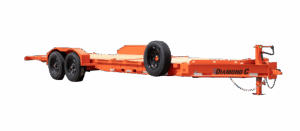
For buyers considering Diamond C, the current 7,000-lb-GVWR GTU is an 83-inch-wide bumper-pull utility trailer offered in 14-, 16-, 18-, and 20-foot lengths. It uses two 3,500-lb Lippert electric-brake axles, a 4-inch channel frame, 13-inch open sides, integrated upright tie-downs, stake pockets, and the DM Difference Maker coating system. Expanded-metal sides are available as a model-specific option. Diamond C has built trailers in Mt. Pleasant, Texas, since 1985. Specifications and options can change, so the VIN, current build sheet, and dealer confirmation should control any purchase or retrofit decision.
Not sure which trailer configuration fits your work? The team at our Spencer, Indiana lot has seen how wood, solid steel, rail, and expanded-metal sides perform across different hauling applications. Reach out directly or call (812) 829-0226 and we will help you match the trailer, side construction, payload, tie-down equipment, and cover system to the material you actually plan to haul.
The right stake sides can make a utility trailer more efficient and easier to use, but they are only one part of a safe hauling setup. Choose the material according to the cargo, account for the added weight, use positive post retention, inspect the system regularly, and secure or cover every load independently. Which type are you leaning toward for your setup?